Paul Keller · 9 October 2026
Precision in Engagement Analysis for Niche Online Forums via Specialized Digital Tools
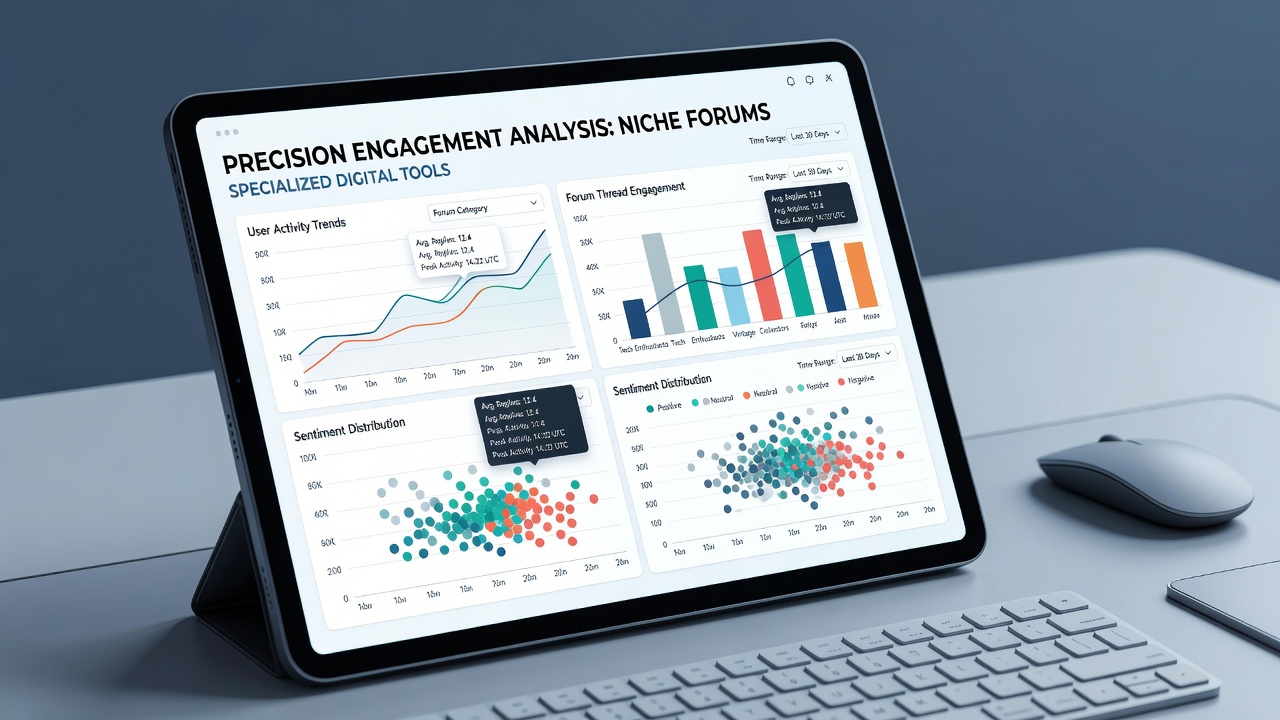
Specialized digital tools now enable precise measurement of user interactions within niche online forums, where discussions often center on topics such as hobbyist engineering, regional history, or technical troubleshooting; these platforms generate detailed behavioral data that general social media analytics overlook. Observers note that forum threads contain layered signals including reply chains, citation patterns, and dwell times, which require targeted algorithms rather than broad sentiment scraping. Research indicates that accurate engagement tracking supports community managers in identifying active contributors while filtering out low-value noise from automated accounts.
Defining Niche Forums and Engagement Metrics
Niche online forums operate as segmented spaces with dedicated user bases that focus on narrow subjects, and engagement here differs from mainstream platforms because participants exchange in-depth knowledge rather than quick reactions. Data shows that metrics such as thread depth, cross-post references, and moderator interventions provide clearer indicators of sustained interest than simple like counts. Those who study digital communities report that tools must parse threaded structures adn timestamp sequences to calculate true participation rates, since superficial views miss the progression from initial posts to extended debates.
Capabilities of Specialized Analysis Tools
Specialized platforms apply natural language processing tuned to forum-specific language, allowing them to map conversation trees and quantify influence through network graphs that highlight central users. Figures from industry reports reveal that these systems track retention by monitoring return visits and response latency, while also distinguishing between genuine debate and repetitive spam. In October 2026 analysts observed increased adoption of these tools among administrators seeking to refine moderation policies based on empirical thread performance rather than anecdotal impressions.
Integration of Data Sources and Analytical Methods
Tools combine API pulls from forum software with custom scripts that process archived posts, creating datasets that reveal patterns across months or years of activity. According to Pew Research Center findings on digital communities, forum users often maintain longer attention spans than those on feed-based networks, which means engagement scores must weight temporal consistency alongside volume. Researchers discovered that clustering algorithms group similar threads to expose topic drift, enabling moderators to adjust subforum rules when participation shifts toward unrelated subjects.
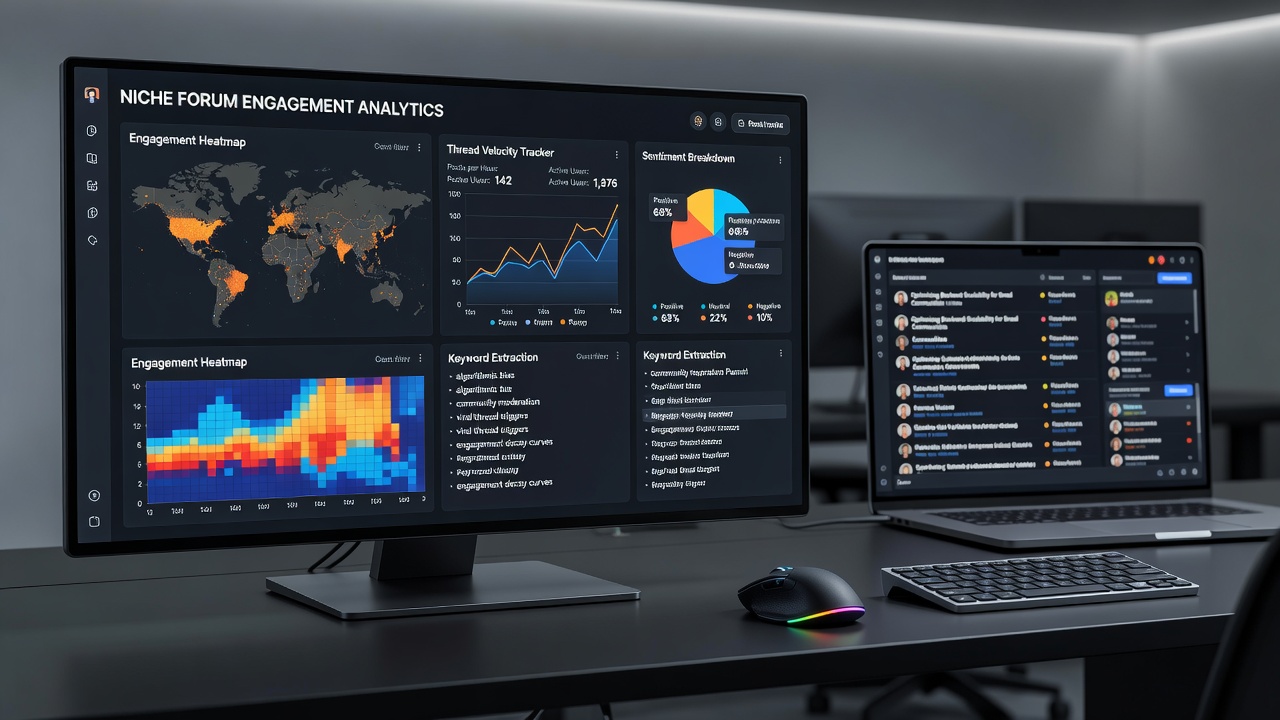
Additional layers include heatmaps of posting times and sentiment trajectories that evolve within individual discussions, since single-thread polarity can change as new evidence emerges. Observers note that integration with external databases, such as citation indexes for academic forums, adds context that raw counts cannot supply.
Case Applications in Forum Management
One documented implementation involved a technical support forum where administrators deployed specialized software to isolate high-impact contributors, resulting in targeted recognition programs that increased repeat participation by measurable margins. Another example comes from hobbyist communities where tools flagged emerging subtopics before they reached peak volume, allowing early resource allocation. Data indicates these approaches reduce moderator workload by prioritizing threads with genuine momentum over those driven by single vocal users.
Addressing Measurement Challenges
Precision remains difficult because forum anonymity and variable posting styles introduce noise that generic tools amplify. Studies from European digital research initiatives demonstrate that custom calibration against historical data improves accuracy, particularly when accounting for timezone effects on global user bases. Yet the process demands ongoing validation, since user behavior evolves with platform updates and external events. Those managing forums find that combining quantitative outputs with periodic manual audits maintains reliability without excessive overhead.
Outlook for Tool Development
Developments scheduled through late 2026 focus on incorporating machine learning models that adapt to shifting forum dialects and detect coordinated activity more effectively. Reports from academic centers in Canada highlight ongoing work on privacy-preserving analytics that deliver insights while respecting user consent frameworks. These advances promise tighter correlation between measured engagement and actual community health indicators such as knowledge retention and newcomer retention rates.
Conclusion
Specialized digital tools deliver structured insights into niche forum dynamics by processing threaded interactions, temporal patterns, and network relationships that broader platforms ignore. Evidence from multiple regions shows measurable improvements in moderation efficiency and contributor retention when these methods replace manual review alone. Continued refinement through 2026 and beyond will likely expand access to such precision for smaller communities seeking data-driven growth.